

Self-hosted Spatial Workflow Engine
for regulated operations.

Deploy on-prem or private cloud
Docker/Kubernetes ready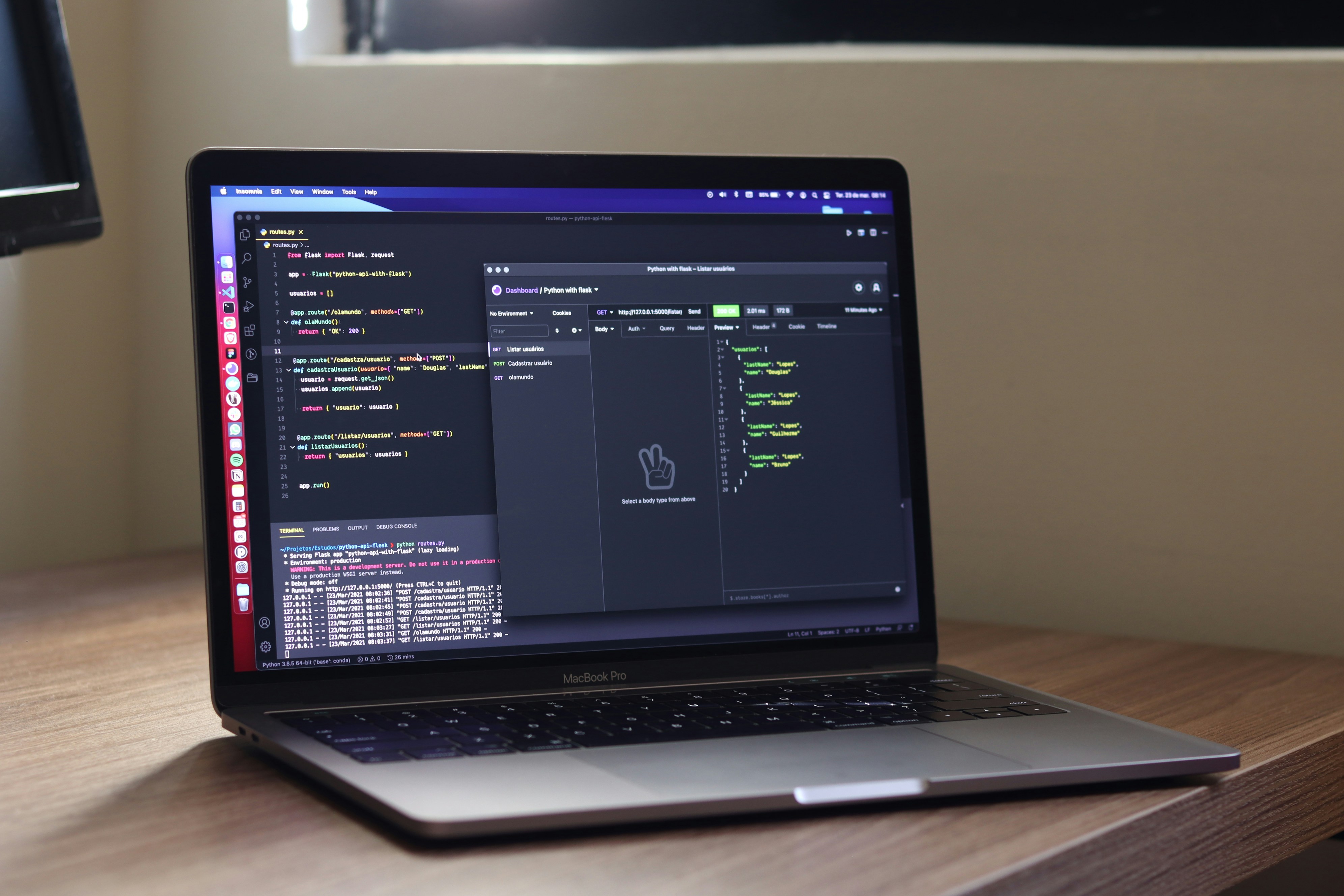
API-first: REST + GraphQL + OGC
Learn more
API-First Architecture.
PostGIS-Powered.

See how easy to implement Terragnos into your application
Core capabilities for spatial operations



Query & OGC API
REST + GraphQL + OGC-style feature layers. GeoJSON/NDJSON, filters, time-travel reads.


Bring Your Own Auth. Bring Your Own DB.
Run Terragnos next to your PostgreSQL/PostGIS and integrate with your IdP—no vendor lock-in.
Built for environments
where every change must be explainable.
Time-travel
Query data as-of any point in time.
Tamper-evident audit logs
Cryptographic verification for every change.
Enterprise-Ready Features
for Complex Spatial Workflows

Workflow Engine
Terragnos Core Engine provides a powerful workflow system that enables organizations to define custom state machines for spatial objects. Configure transitions, guards, and automated actions to streamline complex business processes.
Every workflow transition is fully audited, supports conditional logic based on object attributes and spatial relationships, and integrates seamlessly with your existing authentication and authorization systems through our BYOA (Bring Your Own Auth) architecture.
Explore More
Query Engine
One contract for apps and GIS tooling: REST/GraphQL + OGC-style feeds.
PostGIS-native spatial predicates, cursor pagination, NDJSON streaming, GeoJSON export.
See API examples
Schema Registry
Define and evolve object types with full version control and migration support. The Schema Registry stores JSON Schema definitions with Zod-compatible validation rules, enabling complex field types including arrays, unions, and nested objects.
Schema changes follow a governance workflow: draft → sandbox validation → production publication. Compatibility checks ensure backward compatibility, and automatic SDK generation keeps client libraries in sync with schema changes across TypeScript, Python, and C#.
Explore MoreHexagonal Architecture
Built for Enterprise Scale

We're onboarding a small number of teams to validate real workflows (field ops, utilities, infrastructure).

Design partners wanted

Frequently Asked Questions
About Terragnos Core Engine
Our trusted collaborators in progress and success